Eighty Years Since Justice: Commemorating the 80th Anniversary of the Nuremberg Trials
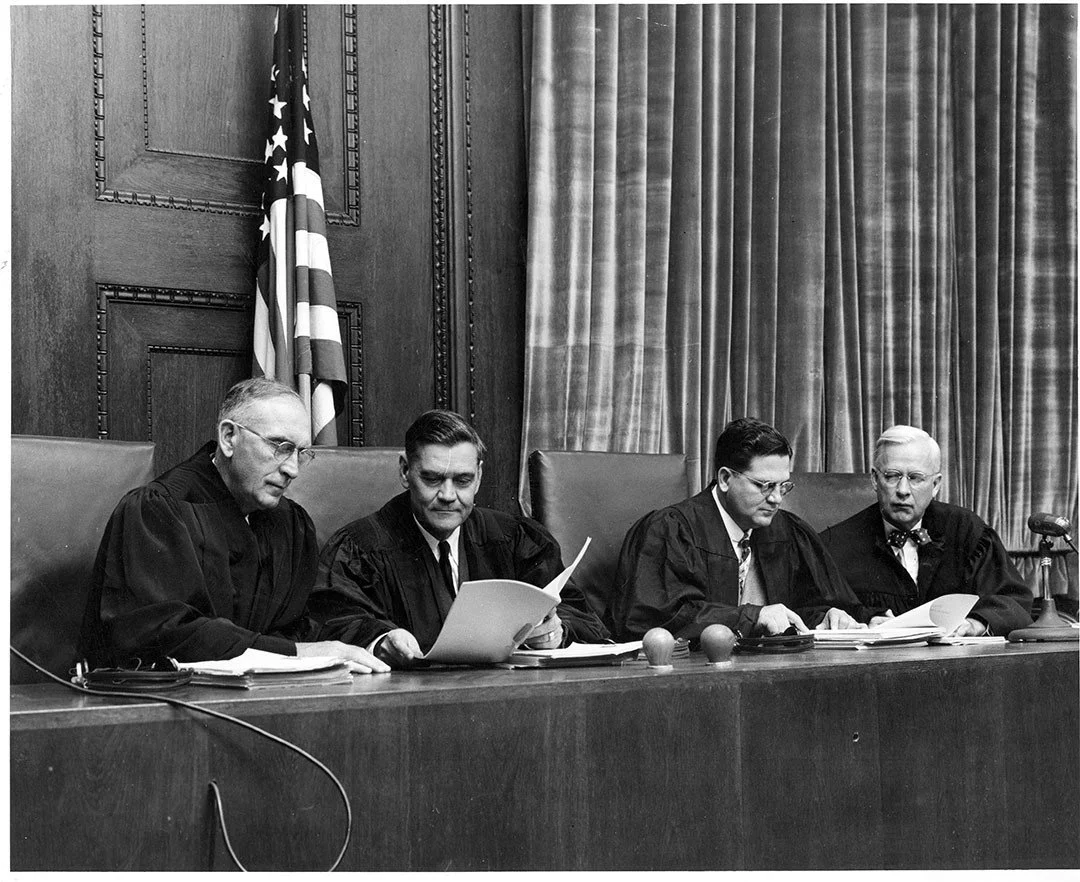
Members of Military Tribunal VI at Nurnberg hearing the case against officials of the I. G. Farben Industry include (left to right): James Morris of Bismark, North Dakota; Curtis Grover Shake, Vincennes, Ind., presiding; Paul Macarius Hebert of Baton Rouge, La.; and Clarence F. Merrill of Indianapolis, Ind., alternate. Twenty-four defendants are charged with planning and waging aggressive wars, plunder and spoliation of occupied countries, slavery and mass murder of foreign nationals, and other war crimes.
Friends,
Eighty years after the Nuremberg trials established a precedent for global accountability, the International Criminal Court (ICC) faces a concerted effort from the United States to undermine its authority. This conflict arises largely from the court's pursuit of war crime allegations involving leaders in Gaza, prompting the current U.S. administration to label the tribunal a "rogue institution" and threaten it with significant sanctions.
The Significance of Nuremberg
The legacy of the Nuremberg trials, which concluded on October 1, 1946, served as the foundation for modern international law. Prosecutors like Robert Jackson and Benjamin Ferencz sought to establish a universal rule that genocide and war crimes must not go unpunished. Experts like Wolfgang Kaleck argue that attacking the ICC today is not merely a regional dispute, but a direct strike against the international justice system that protects victims of state violence globally, from Ukraine to the Rohingya people.
Persistent Challenges and Double Standards
Despite the progress made in international law, the current geopolitical climate is defined by:
• Institutional Fragility: Major global powers, including the U.S., Russia, and China, have historically refused to join the ICC, limiting its reach and effectiveness.
• Systemic Impunity: Critics point to a history of Western interference in the Global South, such as the 1961 assassination of Patrice Lumumba in the Congo, as evidence that the "liberal order" has often permitted state-sponsored violence when it suits political interests.
• The Role of Civil Society: Legal experts maintain that despite current attacks, the last few decades have seen a significant shift where civil society actors and victim families have become active participants in seeking justice, as seen in the recent legal actions taken against individuals involved in historical state crimes.
Moving Toward Accountability
While political leaders may attempt to evade accountability—such as the German government's conflicting stances on the potential arrest of visiting officials—the push for legal recognition continues. Legal professionals are currently working to convert these historical grievances into formal indictments and civil cases. These efforts serve as essential historical records, ensuring that even when direct prosecution is difficult, the legal system remains a tool for challenging state power and defending human rights.
In summary, the 80th anniversary of the Nuremberg trials highlights a critical tension between the pursuit of universal justice and the preservation of state sovereignty. While the ICC faces intense pressure and political hostility, advocates emphasize that maintaining international legal standards remains vital for protecting the rights of victims worldwide.
As a final commitment, I pledge to do everything within my constitutional power to return America to its dedication to international law, the ICC, and the global standards of justice. It is imperative that we make up for the embarrassing regression under the Trump administration by learning from Germany’s example of reckoning with and moving forward from its darkest chapters. By embracing accountability and recommitting to these principles, we can restore America’s credibility and leadership in the international community.
In Solidarity,
Gamy Enriquez, MPA