Remembering Las Vegas: Transparency, Public Safety, and the Search for Truth
Friends,
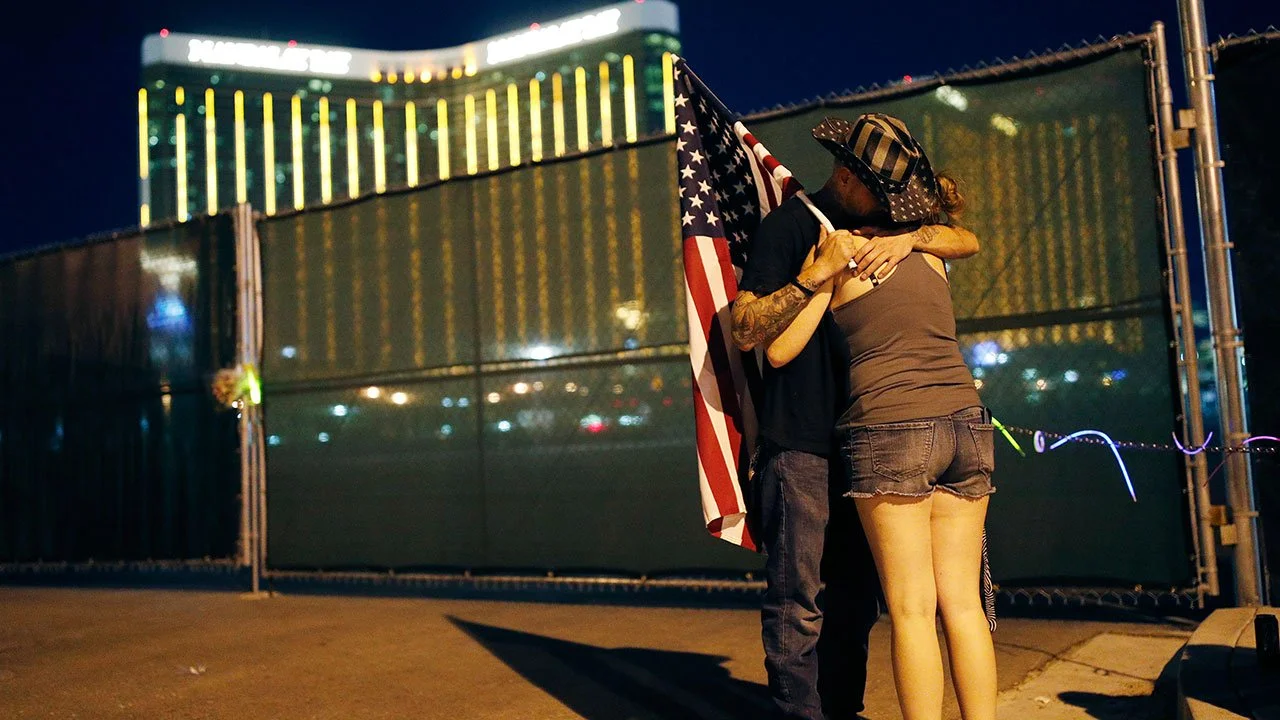
Yesterday marked yet another anniversary of the tragic 2017 mass shooting in Las Vegas, the memories of those dark days remain close to home. At the time, I was working just a couple of miles away from Mandalay Bay, employed at a Tesla call center located inside of Town Square on Las Vegas Blvd.
The personal gravity of that tragedy was deeply felt. During this period in my life, my mother was working as a housekeeper, frequently staying for overtime shifts at Mandalay Bay and working on the 32nd floor where the attack originated. In the days following the shooting, when I walked into my usual lunch spot just down the street, the wait staff shared chilling accounts of how terrified concertgoers fled directly from the venue to the restaurant, running for their lives to seek shelter and safety.
Because I am a staunch supporter of the Second Amendment, I believe deeply in protecting the constitutional rights of law-abiding citizens. But protecting those rights also means we must be relentlessly honest about public safety, the realities of violent crime, and the failures that put communities at risk.
The Controversy Surrounding the Investigation and Motives
The ongoing debate regarding the 2017 Las Vegas shooting centers on whether official investigations adequately examined all potential ideological factors, or if institutional blind spots hindered a complete understanding of the event.
* Anti-Government Fixation: Reports from associates and witnesses indicated that the perpetrator held intense beliefs regarding government conspiracy theories, including fears of state-led gun confiscation and radical anti-establishment grievances.
* Casino Hostility: Newly released FBI documents suggest the perpetrator harbored deep resentment toward casinos and was upset with how he was treated by them following significant gambling losses.
* Firearms Obsession: The accumulation of an extensive arsenal and a rigid opposition to regulatory frameworks reflect an extreme departure from responsible gun ownership into dangerous isolation.
* Institutional Disparity: External research databases, such as the START program, have classified the massacre differently than the FBI’s official position, creating persistent questions regarding how federal agencies track and categorize acts of mass violence.
* The Need for Clarity: Critics and researchers argue that understanding the full scope of warning signs is vital for intelligence agencies to identify future threats and prevent similar tragedies.
Conclusion
As a candidate for Congress, I believe it is critical that we listen to the experts, examine the evidence objectively, and never allow investigations such as this one to be politicized. The public deserves transparent, thorough assessments free from partisan agendas. Re-examining the institutional handling of this tragedy is not about scoring political points—it is a necessary measure to ensure accountability, protect our communities, and uphold public safety.
In Solidarity,
Gamy Enriquez, MPA