You’re Already Living It: 26 Everyday Programs Rooted in Democratic Socialism
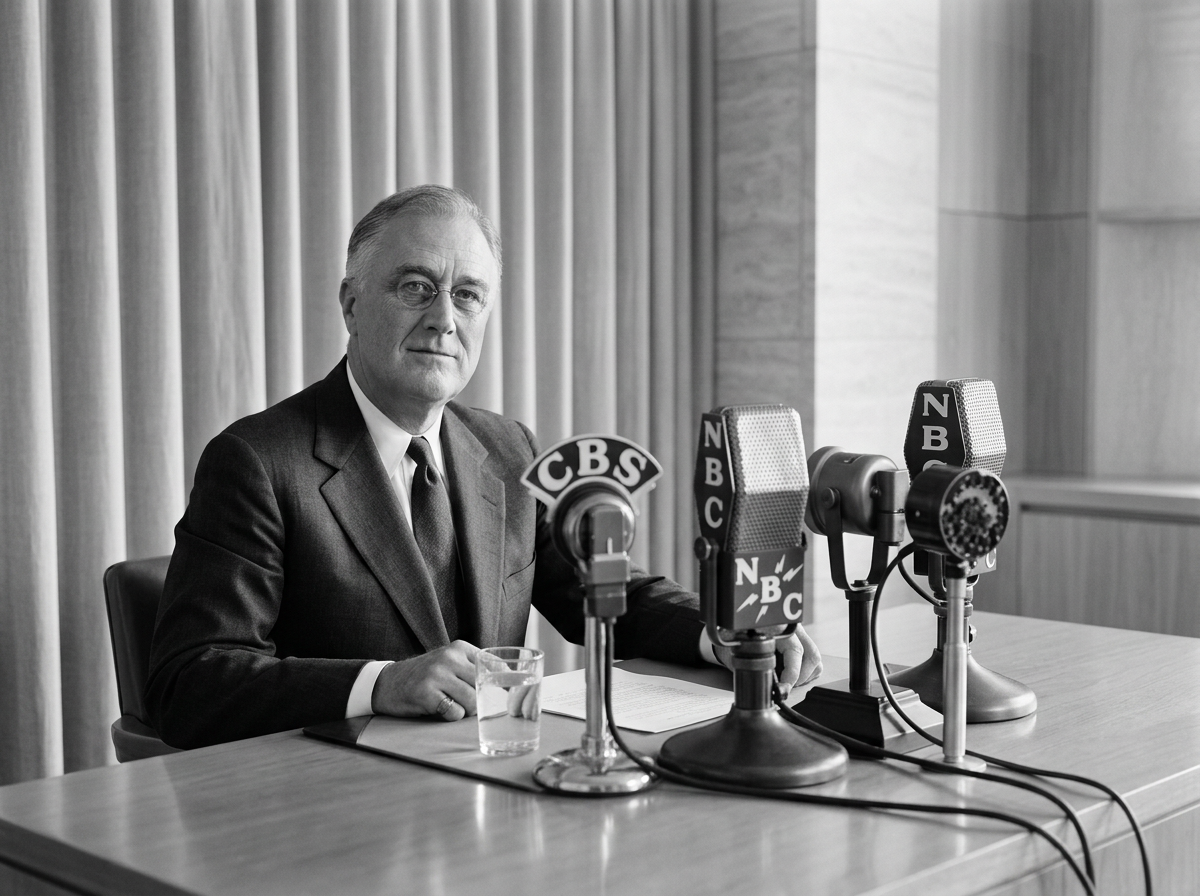
“Right-wingers often try to portray social democratic policies as somehow un-American. But social democracy is as American as sliced bread, invented in 1928. The Social Security Act, which created a safety net for the disabled and the unemployed as well as retirees, was passed just a few years later, in 1935.”
Friends,
It’s easy to get labeled a radical online until you take a hard look at how everyday Americans actually live and work. From the security on your bank account to the very existence of your weekend, the foundations of our daily routine were fought for by people who believed public goods should serve everyone. Before anyone confuses practical economic protections with authoritarianism, here are 26 American baselines we all take for granted.
FDIC Deposit Insurance: The Federal Deposit Insurance Corporation guarantees bank deposits up to $250,000 per depositor, per institution, preventing systemic bank runs.
SEC Market Oversight: The Securities and Exchange Commission enforces transparency, mandates public company financial disclosures, and prosecutes insider trading.
FHA Fixed-Rate Mortgages: The Federal Housing Administration standardized long-term, low-down-payment mortgages (such as the standard 30-year fixed loan).
Fannie Mae Secondary Mortgage Market: Originally established to purchase FHA-insured mortgages, creating liquidity in the private housing market.
Separation of Commercial & Investment Risk (Legacy Frameworks): The Banking Act of 1933 (Glass-Steagall) set regulatory divisions whose structural principles continue to shape Dodd-Frank and modern capital reserve standards.
The Federal Minimum Wage: Created by the Fair Labor Standards Act (FLSA) of 1938, setting a mandatory baseline wage for covered non-exempt workers.
The 40-Hour Workweek & Overtime Pay: The FLSA established the standard workweek and mandated 1.5× pay for qualifying overtime hours.
Federal Child Labor Prohibitions: The FLSA banned the employment of minors in oppressive or hazardous working conditions.
Right to Unionize & Collective Bargaining: The National Labor Relations Act (Wagner Act) established the NLRB to protect employees' rights to organize and collectively negotiate.
Federal Unemployment Insurance: Established under the Social Security Act as a state-federal partnership providing temporary income replacement after job loss.
Social Security Retirement Benefits: Direct monthly pension stipends to retired workers based on lifetime payroll tax contributions.
Social Security Disability Insurance (SSDI): Provides income support to workers who develop severe, long-term physical or cognitive disabilities.
Survivor Benefits: Pays monthly benefits to surviving spouses and minor children of deceased workers.
Tennessee Valley Authority (TVA) Power: Continues to generate and distribute electricity across seven southeastern states while managing regional flood control.
Rural Broadband Financing (via RUS): The Rural Electrification Administration (REA), now the Rural Utilities Service under the USDA, finances rural high-speed internet and modern grid updates.
Bonneville Power Administration (BPA): Built around New Deal public works like the Bonneville and Grand Coulee dams, marketing hydroelectric power throughout the Pacific Northwest.
Municipal Infrastructure (PWA & WPA Legacy): Thousands of public schools, courthouses, water systems, bridges, and post offices built in the 1930s remain in active civic use.
Major Commercial Airports: Foundational runways and terminals at major transit hubs—including New York's LaGuardia and Chicago's Midway—were constructed under the Works Progress Administration.
National & State Park Infrastructure (CCC): The Civilian Conservation Corps built thousands of trails, campgrounds, visitor lodges, and fire towers still maintained across state and national park systems.
Federal Crop Subsidies & Price Supports: The Agricultural Adjustment Act (AAA) introduced baseline price supports, production quotas, and commodity programs central to the modern U.S. Farm Bill.
Soil & Water Conservation Districts: Created by the Soil Conservation Service (now the Natural Resources Conservation Service) to prevent topsoil erosion and guide sustainable land use.
Federal Crop Insurance Corporation (FCIC): Operates within the USDA to protect agricultural producers against crop loss from natural disasters and price volatility.
FCC Broadcast & Telecom Regulation: The Communications Act of 1934 created the Federal Communications Commission to regulate radio, television, wire, and satellite spectrum.
Public Housing Authorities: The U.S. Housing Act of 1937 established federal funding and local housing authorities to build and manage subsidized public housing.
Federal Support for Public Arts & Culture: The Federal Art and Writers' Projects established the model for federal cultural funding that later evolved into the National Endowment for the Arts (NEA) and the National Endowment for the Humanities (NEH).
Tribal Self-Governance Frameworks: The Indian Reorganization Act of 1934 reversed allotment policies, protected tribal land holdings, and established the legal framework for modern tribal constitutions and sovereignty.
In Solidarity,
Gamy Enriquez, MPA