From Zoot Suit to Today: A Chicano’s Call for Justice and Reform
Friends,
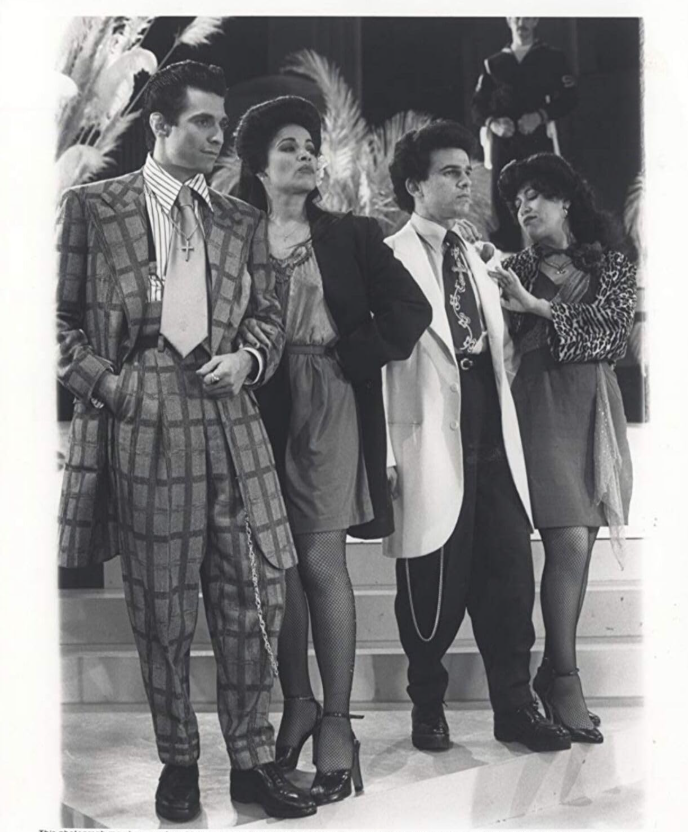
On August 29, the drive-in Reno came alive with the screening of "Zoot Suit," the 1981 film that dramatizes the 1943 Sleepy Lagoon murder trial and the Zoot Suit Riots in Los Angeles. This powerful movie focuses on the unjust arrest and conviction of a group of young Mexican-American men, and its themes still resonate deeply today.
For many of us, "Zoot Suit" isn’t just a movie—it’s a mirror reflecting the struggles, hopes, and resilience of the Chicano community. It was one of the first major American films to explore and celebrate Chicano and Latino culture, boldly addressing systemic racism and the ongoing fight for civil rights.
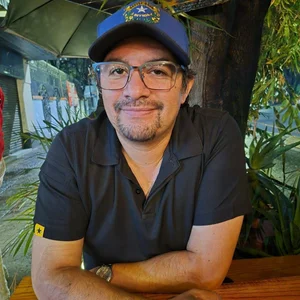
Watching it again at the drive-in, I’m reminded that the story is not just a piece of history—it’s one that echoes in the lives of so many, including myself. As a Chicano who has navigated the criminal justice system, I see reflections of my own experience in the film’s narrative of injustice and resilience. My story is not unique; we see similar injustices repeated time and again. One of the most notorious examples was the case of the Central Park Five—five Black and Latino teenagers wrongfully convicted of a crime they did not commit, as dramatized in the film "When They See Us." The rush to judgment, the vilification in the media, and the role played by public figures—including Donald Trump, whose full-page New York Times ad called for the death penalty—fueled a system more invested in punishment than truth or healing. The exoneration of the Central Park Five decades later is a stark reminder that our system's flaws are both historic and ongoing.
During the Great Recession, like so many others, I lost my job and was swept up in circumstances beyond my control. Unbeknownst to me, I became entangled in a boiler room financial fraud scheme. The fallout was swift and severe—I lost my career and was convicted for actions I never knowingly committed. My journey through the criminal justice system forced me to confront just how deeply flawed and punitive our system can be. It made me realize that mass incarceration, and the policies that sustain it, are in desperate need of reform. Instead of treating incarceration as punishment, we should look to models like those in Scandinavia, where the focus is on rehabilitation and restoring human dignity. We must also abolish barriers like "ban the box" policies that prevent people with records from finding meaningful work and rejoining society. Justice should be about healing, not lifelong punishment.
That’s why I ran for Congress in 2026, and why I am preparing to run again in 2028—to fight for a system that believes in second chances, prioritizes rehabilitation over punishment, and gives everyone the opportunity to rebuild their lives.
As Michelle Alexander powerfully argues in "The New Jim Crow," mass incarceration is the latest iteration of a system designed to marginalize and control communities of color. We can and must do better. I support a progressive vision for reform that includes:
- Ending the war on drugs once and for all, shifting to a public health approach instead of criminalization.
- Abolishing mandatory minimum sentences and three-strikes laws that keep people locked up for nonviolent offenses.
- Fully enacting "ban the box" policies so that a criminal record does not bar anyone from employment, housing, or education.
- Investing in reentry and rehabilitation programs modeled after successful Scandinavian approaches.
- Creating true accountability for prosecutorial and police misconduct.
- Expanding restorative justice initiatives that heal, rather than divide, our communities.
This is the only path to true justice, one that honors our shared humanity and gives everyone—regardless of their past—the chance to heal, thrive, and contribute. That is why I am committed to pushing for these reforms, and why I urge all of us to keep fighting for a future free from the cycles of punishment and exclusion that have defined our past.
In Solidarity,
Gamy Enriquez, MPA