Beyond Endless War: Reforming America’s Defense for Peace and Sustainability
Friends,
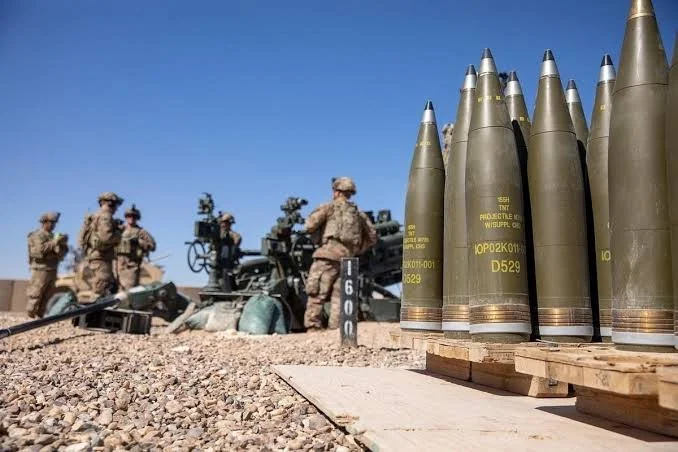
The core theme of the current U.S. military crisis is that a strategy of excessive interventionism, combined with an industry model prioritized for profit over efficiency, has created a dangerous and unsustainable depletion of essential munitions.
The Strategic Crisis
Military leaders have issued urgent warnings to Defense Secretary Pete Hegseth, advising against any further escalation in the conflict with Iran. This caution stems from the fact that a six-month-long engagement has severely degraded the United States' global readiness. According to reports from The Washington Post and Reuters, key stockpiles of long-range precision missiles and Patriot interceptors have been exhausted, leaving the U.S. vulnerable in other critical theaters, including Europe and Asia.
The situation highlights a fundamental flaw in current defense planning: the U.S. military is attempting to maintain a global posture that exceeds its logistical capacity to replenish supplies. As experts point out, this "munitions gap" is particularly alarming regarding potential future conflicts with major powers, where current inventory levels would be insufficient.
Economic and Industrial Failures
The financial dynamics of modern warfare have created a system that is often referred to as a "money-making machine" for defense contractors rather than an effective defensive tool. This misalignment is driven by several key factors:
• Asymmetric Cost Ratios: The U.S. is frequently using multimillion-dollar interceptor missiles to destroy inexpensive Iranian drones that cost only a fraction of the cost of the weaponry used to take them down.
• Contractor Prioritization: A significant portion of the Pentagon budget is funneled directly to private contractors. These entities often focus on building expensive, high-profile projects—such as the troubled F-35 program—rather than producing the practical, mass-producible munitions required for sustained conflict.
• Systemic Inefficiency: There is a documented lack of accountability in military procurement. Instances exist where massive federal funding has been provided for production facilities that fail to produce usable output for years.
The Need for a New Direction
According to defense analyst William Hartung, the ongoing crisis is less a result of a lack of spending and more a result of a "diplomacy gap" and political ego. The reliance on military force as the primary tool of foreign policy—often driven by administration rhetoric rather than careful strategic analysis—has stretched the military thin.
Ultimately, the obsession with an expansive military-industrial complex comes at the expense of domestic stability. Critics suggest that the nation should pivot away from "runaway military spending" and toward addressing more urgent societal needs, such as public health, equality, and environmental protection.
The current munitions shortage serves as a symptom of a broader dysfunction where the pursuit of endless military engagements and profit-driven procurement cycles has compromised national security and neglected the essential needs of the public.
This is why I am running: true national strength does not come from endless military overextension or bloated contractor profits, but from smart power—the disciplined balance of hard and soft power that puts diplomacy, international cooperation, and genuine multilateralism first. For decades, the neoliberal international order has prioritized weapons over people, draining domestic resources while leaving global crises unaddressed. We must reform these broken institutions to build a progressive foreign policy grounded in peace and climate resilience, replacing a doctrine of endless conflict with a bold Green Marshall Plan that addresses our planet's greatest existential threat through shared prosperity and clean energy. A more peaceful, sustainable world is possible, but we cannot build it alone—join the movement, because we must fight together for the future we know we deserve. Not me, us.
In Solidarity,
Gamy Enriquez, MPA