Friends,
As a Mexican-American candidate for Congress staying with a Palestinian-American host, my first days here have felt strikingly familiar. Sitting around the table with my host's family immediately evoked memories of my own upbringing and time spent visiting family across Mexico and Mexican-American communities in the United States. The parallels between Palestinian and Mexican cultures are profound. Both cultures place an unshakeable priority on family connection, hospitality, and deep-seated faith that grounds everyday life. Gatherings center around vibrant conversation, honoring ancestral heritage, and passing down a proud history of resilience across generations. Food in both cultures is far more than sustenance—it is a central pillar of community identity, love, and cultural preservation. From traditional gathering recipes to shared meals around the table, the warmth of Palestinian hospitality echoes the heart of a Mexican home.
Standing Under Two Millennia of History
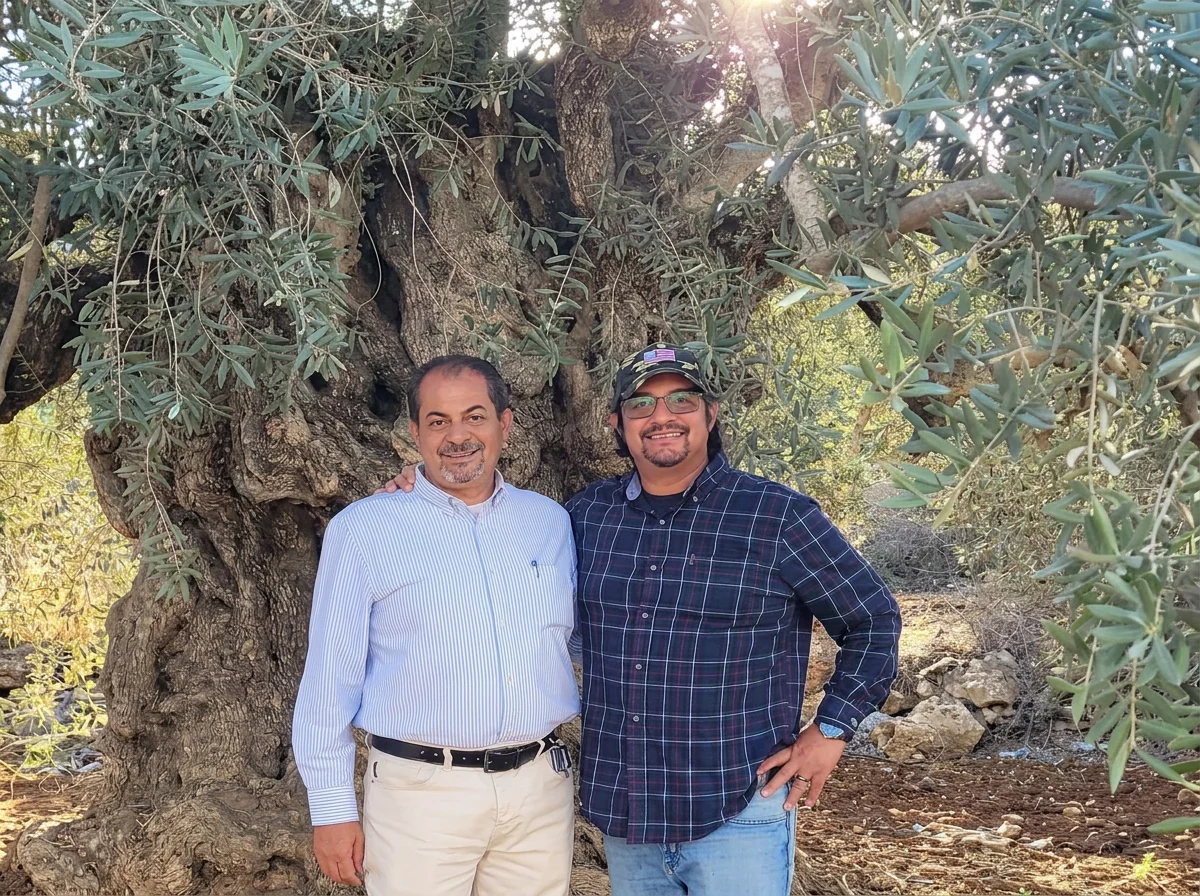
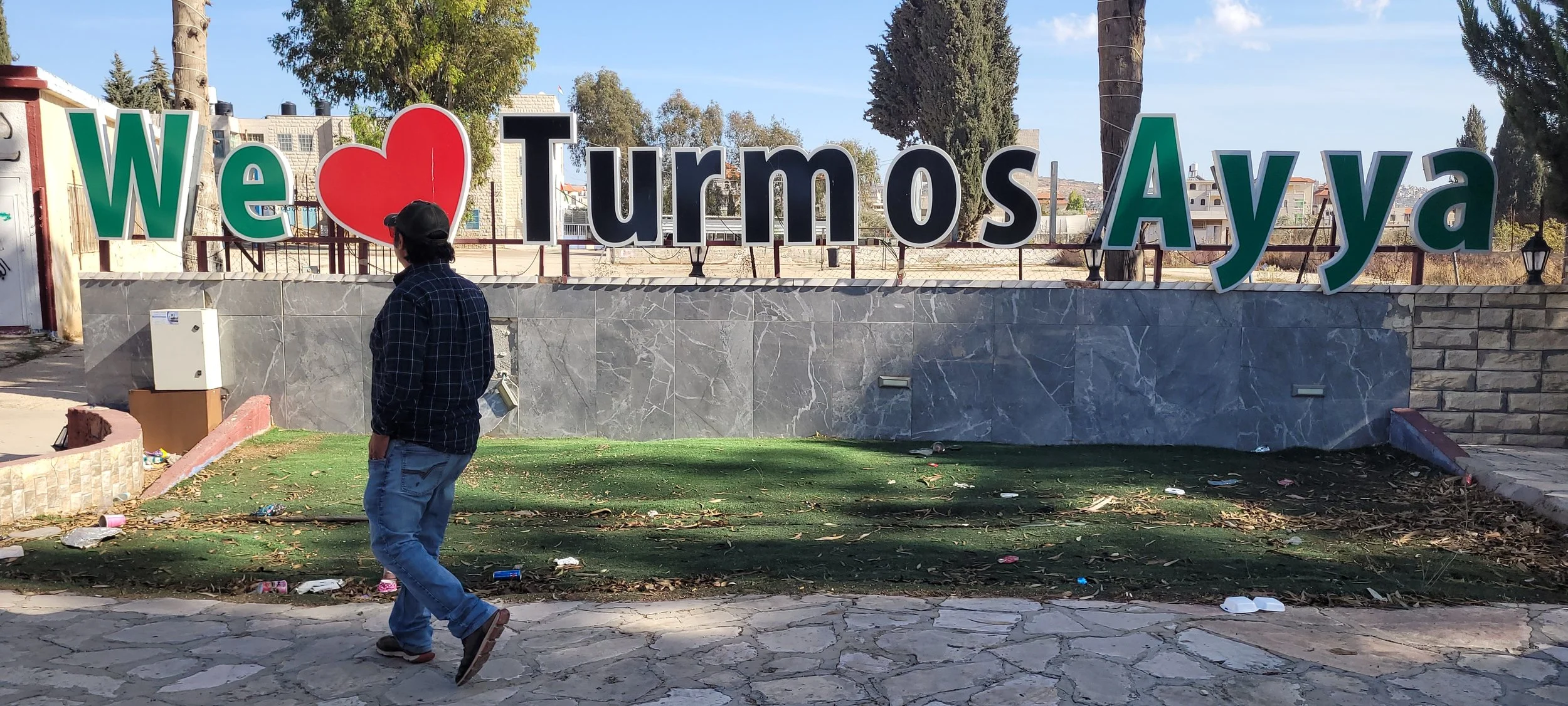
During my visit, including standing beside my host in Turmus Ayya beneath an olive tree nearly 2,000 years old, this deep bond with history became undeniable. This tree predates modern borders, having survived under the Roman Empire, the Ottoman era, and centuries of historical shifts. To my host and his family, who have tended this soil for generations, the tree embodies health, resilience, and an unbroken relationship with their ancestral land. Yet this connection faces persistent threats. In contrast to the deep stewardship practiced by local communities, expansionist forces and illegal settlement activities frequently target these olive groves—destroying trees to sever indigenous ties to the land and claim territory.
Connecting West Bank Communities to Nevada's Northern Tribes
Touring Turmus Ayya has reinforced the crucial parallels between land stewardship here and back home in Nevada’s 2nd Congressional District. Like Palestinian communities, the Northern Paiute and Western Shoshone peoples of Nevada view the land through a lens of deep respect and generational preservation. This holistic relationship stands in stark contrast to the historic and ongoing legacy of Manifest Destiny—an extractive mindset that prioritizes industrial exploitation over sacred Indigenous sites and fragile ecosystems. The worldviews justifying environmental degradation and land dispossession in the American West closely mirror the expansionist ideologies impacting communities in the occupied Palestinian territories.
Community-Owned Enterprise: From Palestine’s Olive Press to Nevada’s Cooperatives
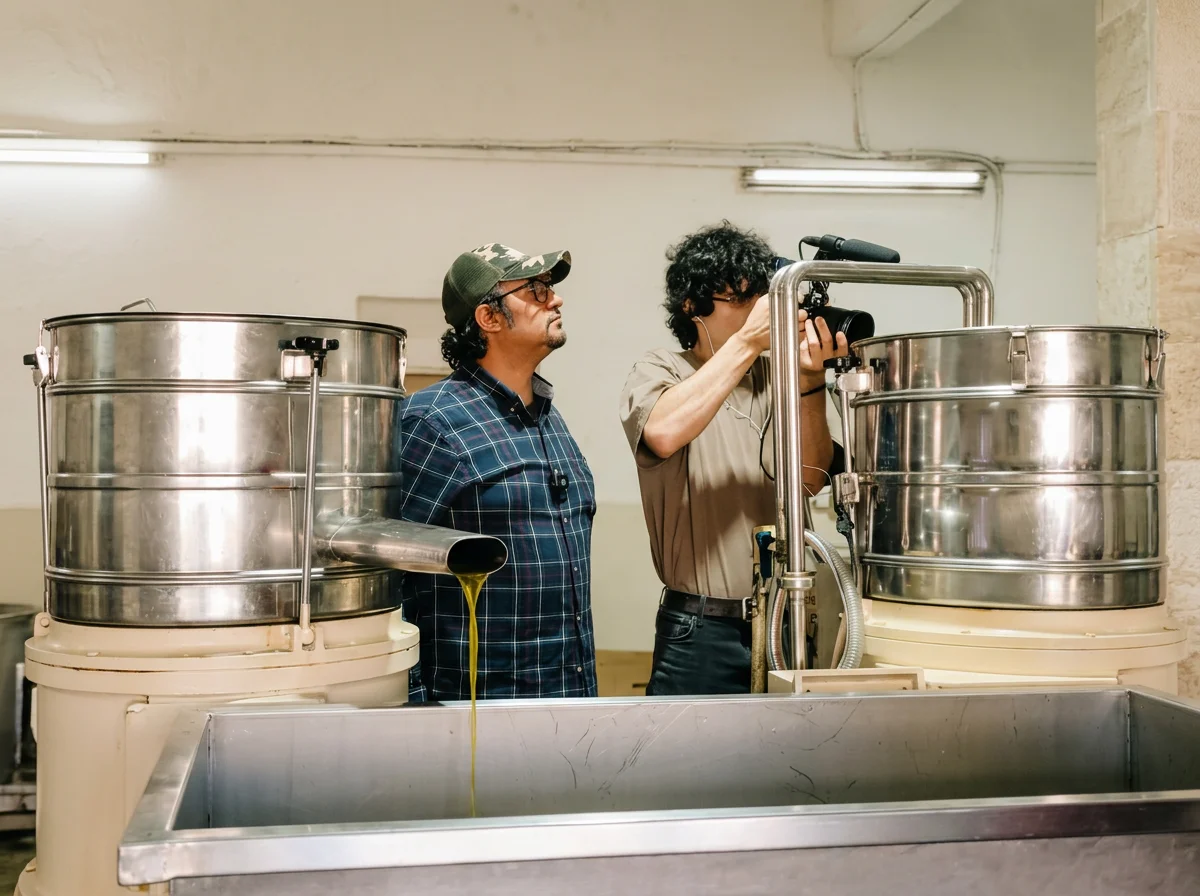
Inside a local, community-owned olive oil press, I watched as fresh harvests were pressed into golden oil—a small-scale cooperative operation producing around 40 containers of premium extra-virgin olive oil for international export each day during harvest season. Seeing this operation firsthand highlights a stark contrast between community-rooted business models and high-scale corporate agribusiness. High-scale corporate production often relies on monoculture, heavy mechanization, and centralized profits that leave local communities behind. In contrast, this Palestinian co-op aggregates harvests from smallholder family farms, ensuring profits, equity, and decision-making power remain directly in the hands of local growers. By keeping production localized and supporting sustainable harvesting practices, co-ops protect local biodiversity, preserve soil health, and avoid the ecological degradation associated with corporate industrial farming. A cooperative operates on shared stewardship rather than extractive accumulation. It ensures that export-quality goods build local wealth, stability, and community resilience.
Connecting Local Cooperatives Back to Nevada’s 2nd District
This cooperative model is not unique to the West Bank—it resonates deeply with our own community in Northern Nevada. Across NV-02, community-owned enterprises like the Great Basin Community Food Co-op in Reno, along with local agricultural and irrigation cooperatives across Churchill, Lyon, and Washoe counties, operate on these exact same principles. Just as the West Bank co-op provides local farmers a gateway to export markets, Nevada co-ops empower local ranchers, farmers, and artisans by offering fair access to regional supply chains and consumers. Cooperatives prioritize environmental health, regional food sovereignty, and sustainable land management over short-term corporate gains. Whether in the West Bank or Northern Nevada, investing in co-ops builds an economy where wealth stays local, workers have a voice, and community needs come before corporate exploitation.
Hospitality at the Table: Connecting Cultural Traditions Over Breakfast
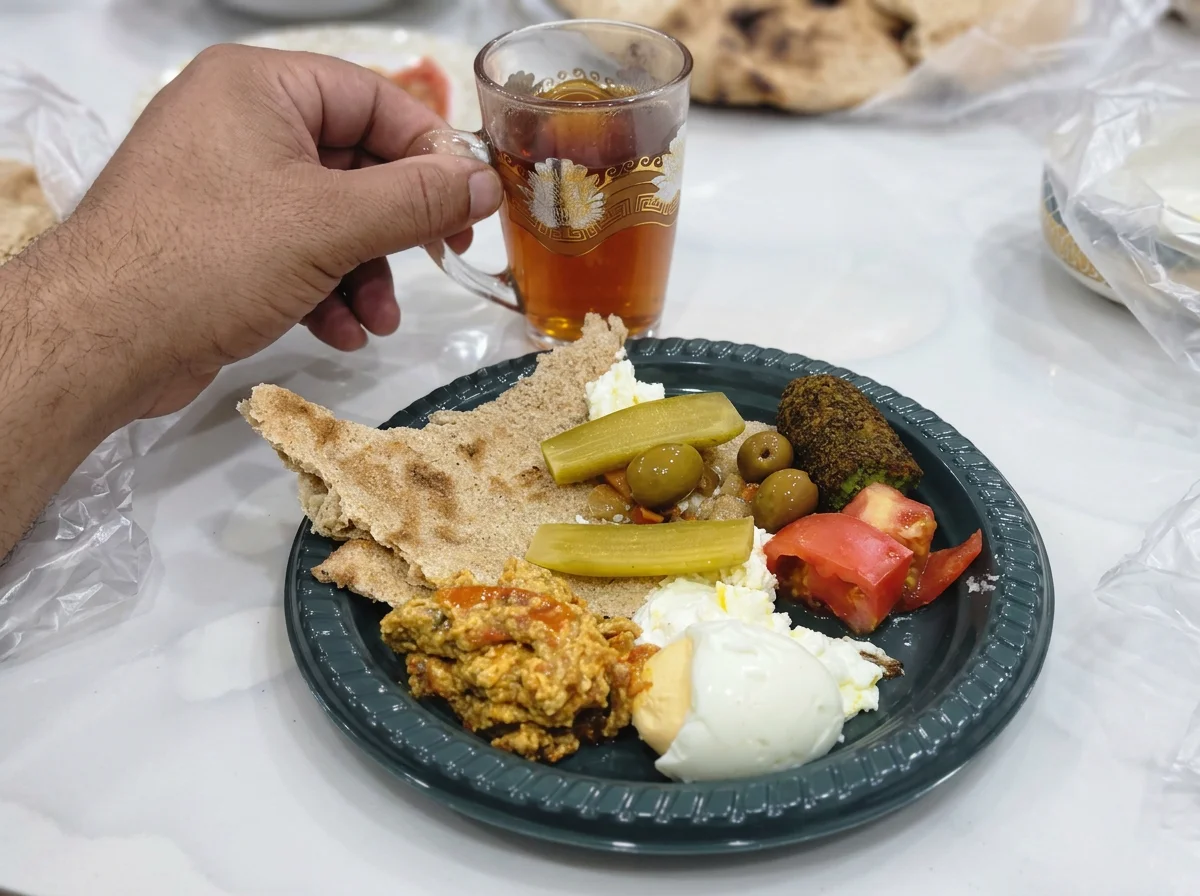
Mornings here begin around a shared table, offering a delicious reminder of how food brings communities together across the world. As much as I love a classic American breakfast of sausage, scrambled eggs, potatoes, cheese, and pancakes, or a traditional plate of huevos rancheros from my Mexican heritage, this Palestinian breakfast spread is equally remarkable. Freshly baked flatbread (taboon), local olives, labneh, boiled eggs, fresh tomatoes, za'atar, and warm spiced dishes, paired with hot black tea—a wholesome meal rooted in local agriculture. Whether it is a traditional American breakfast diner, a Mexican family table, or a Palestinian home, breakfast is more than sustenance—it is an act of fellowship, family connection, and hospitality that spans across cultures. Sharing meals like this reminds us that despite geographic and cultural differences, our core human experiences—community, faith, and care for one another—are universal.
Municipal Leadership: Bypassing Dysfunction Through City-to-City Collaboration
During our meetings with local municipal representatives—including the mayor and vice mayor—we listened closely to the immediate, practical challenges facing local communities under occupation. When national and international governance structures face gridlock and political inaction, local leadership becomes the vital frontline for survival and community care. We explored practical, nonpartisan avenues to build direct bridges of collaboration between city councils across Northern Nevada and municipalities in the West Bank. Bypassing federal inaction allows local leadership to address urgent humanitarian needs directly. These local governments face critical shortages that directly impact basic human dignity and safety. For instance, towns lack basic emergency infrastructure—such as proper first-response fire department equipment, including fire trucks, as well as essential medical supplies. Securing emergency equipment is not a partisan issue; it is a fundamental matter of human rights, safety, and human freedom. Municipal leaders shared stark realities regarding emergency medical response. Despite clear protections under international humanitarian law requiring respect for first responders and medical personnel, ambulances and medical teams face systematic obstruction and delays at military checkpoints established by the Israeli Defense Forces (IDF). These severe delays significantly hinder injured and critically ill individuals from reaching hospitals in time, worsening medical outcomes and threatening human life. By fostering direct municipal partnerships, Nevada communities can take practical steps to champion human dignity, support local public safety, and build meaningful global connections grounded in shared values.
First Encounter with Settlers: Seeking Dialogue Amid Division
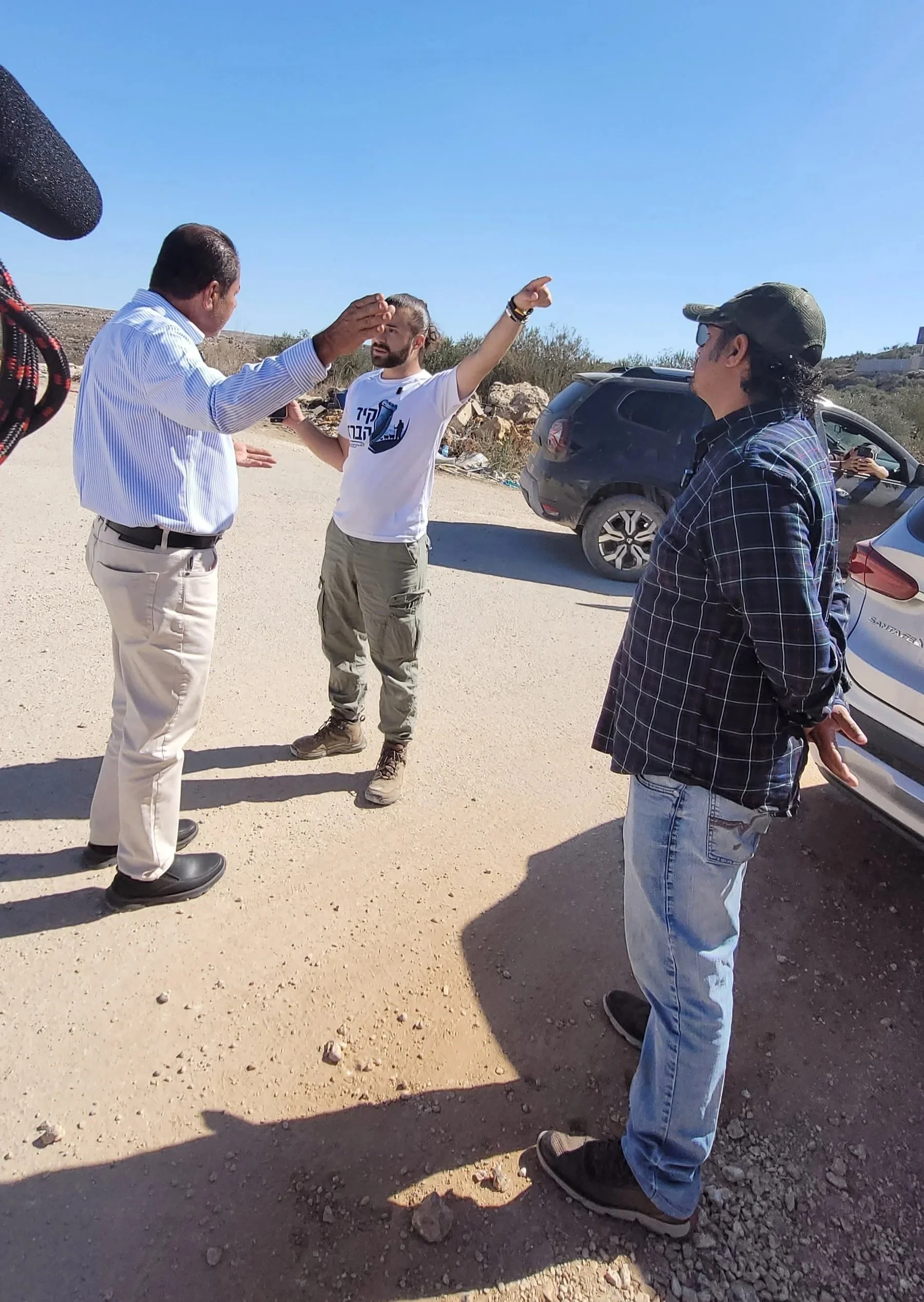
During our travels across the region, we had our first direct encounter with local Israeli settlers. Throughout the interaction, our delegation remained firmly grounded, maintaining a strictly professional, diplomatic, and humane demeanor. My documented intention on this fact-finding mission is clear: to establish open dialogue with all communities across the region, including settlers. To find lasting solutions, leaders must be willing to engage directly with all parties on the ground. My goal in initiating dialogue is to listen and better understand the root drivers of animosity, hatred, and persistent violence that afflict this ancient land and its inhabitants. True diplomacy requires engaging beyond safe spaces. By extending a calm, respectful, and principled presence, we demonstrate that a future rooted in mutual recognition, safety, and basic human dignity is the only viable path forward.
Call to Action: Join Us for the October 2027 Olive Harvest
As Kimberlé Crenshaw illuminated through the framework of intersectionality, systems of oppression do not exist in isolated silos; they are interconnected networks that reinforce one another across borders, identities, and histories. The struggle for land defense, self-determination, and economic justice in the West Bank is inextricably bound to the struggles of Indigenous nations in Nevada, working-class families seeking cooperative empowerment, and immigrant communities striving for basic dignity in the United States. When we fail to recognize how environmental degradation, corporate exploitation, and territorial dispossession mirror each other globally, we miss the opportunity to build a truly universal movement for human rights.
Solidarity cannot remain an abstract ideal or a passive feeling—it demands presence, partnership, and action. That is why I invite you to join us on the ground for the olive harvest in October 2027 to stand side-by-side with our Palestinian brothers and sisters. This opportunity is fully sponsored and cost-free to participants. Tending these ancient groves alongside local families is more than an act of agricultural support; it is a powerful statement of collective resistance, radical empathy, and shared humanity. By bringing our shared values to the soil, we participate in a global vision where justice in one corner of the world nourishes liberation everywhere. Let us plant our feet alongside those who tend the land, honor the deep roots that unite us, and work together toward a future defined by peace, safety, and self-determination for all people.
In Solidarity,
Gamy Enriquez, MPA
2028 Congressional Candidate
Nevada’s Second Congressional District