Understanding the Recent Cyber-Attacks on US Water Infrastructure
Friends,
Recent reports indicate that coordinated cyber-attacks have targeted public water systems across at least seven US states, raising significant concerns about national security and critical infrastructure resilience.
The Scope of the Incidents
In late July 2026, Minnesota officials identified a coordinated cyber-attack affecting over 30 water systems. This event prompted the FBI to confirm similar activities across multiple states, noting that some attacks successfully degraded operational capabilities. While specific state involvement remains fluid, regions such as New Jersey, South Dakota, and Georgia have reported similar security breaches. Experts warn that because the US relies on over 150,000 public drinking water systems and 16,000 wastewater facilities, the potential for further incidents is substantial.
Assessing Attribution and Intent
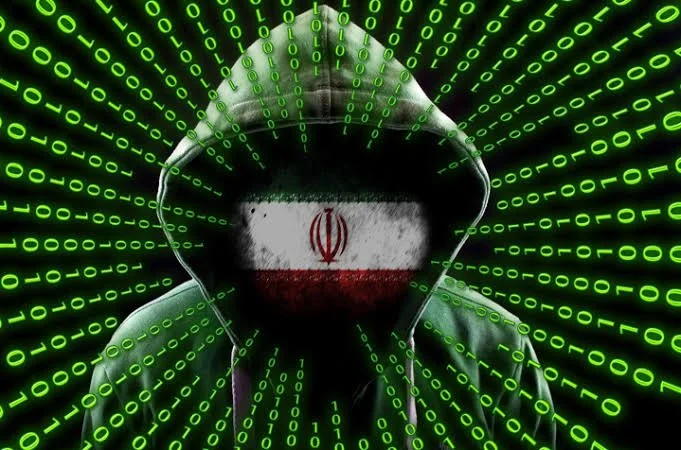
The question of who is responsible remains a subject of intense investigation and political debate. While the Cybersecurity and Infrastructure Security Agency (Cisa) is probing potential links to Iran, definitive confirmation is complicated by several factors:
Plausible Deniability: Analysts suggest that groups may use ruses to mask their true origins or that state-sponsored actors utilize third-party groups to create distance from the government.
Geopolitical Context: Given ongoing conflicts in the Middle East, Iran is often cited as a primary suspect due to both capacity and motive.
Political Friction: Domestic rhetoric has occasionally complicated the investigation, with some officials pointing toward administrative shortcomings while others emphasize the severity of the foreign threat.
The Threat to Public Trust
Security experts emphasize that the primary goal of these attacks is often psychological rather than physical. By targeting essential services, adversaries aim to:
Erode Public Confidence: The objective is to shake the public’s belief in the government's ability to provide fundamental services.
Exacerbate Social Division: Digital disruption serves as a tool to fuel internal discord during periods of national tension.
Test Infrastructure Limits: While current impacts may be limited to operational degradation, there is a persistent risk that future attempts could manipulate chemical levels or damage physical equipment.
Strengthening Infrastructure Security
Addressing these vulnerabilities requires a proactive approach to modernizing aging utilities. Key recommendations from experts and federal agencies include:
Technical Hardening: Many systems currently rely on outdated hardware that is highly susceptible to exploitation.
Immediate Mitigation: Cisa has advised water utilities to disconnect sensitive control systems from the open internet and implement rigorous password management.
Policy Intervention: Since most water infrastructure is publicly managed, experts argue that government-led investment is essential to secure these systems against increasingly sophisticated state-sponsored threats.
In summary, the recent wave of cyber-attacks on US water systems highlights a critical vulnerability in public infrastructure. While the primary immediate impact is the erosion of public trust, the persistent threat posed by foreign actors necessitates urgent technological upgrades and standardized security protocols to safeguard essential services.
This is why I ran for Congress in 2026 and will run again in 2028 on a platform of diplomacy, international law, international institutions, and peace. The established rules of international relations benefit all nations, and we cannot allow ourselves to descend into the law of the jungle.
In Solidarity,
Gamy Enriquez, MPA