Friends,
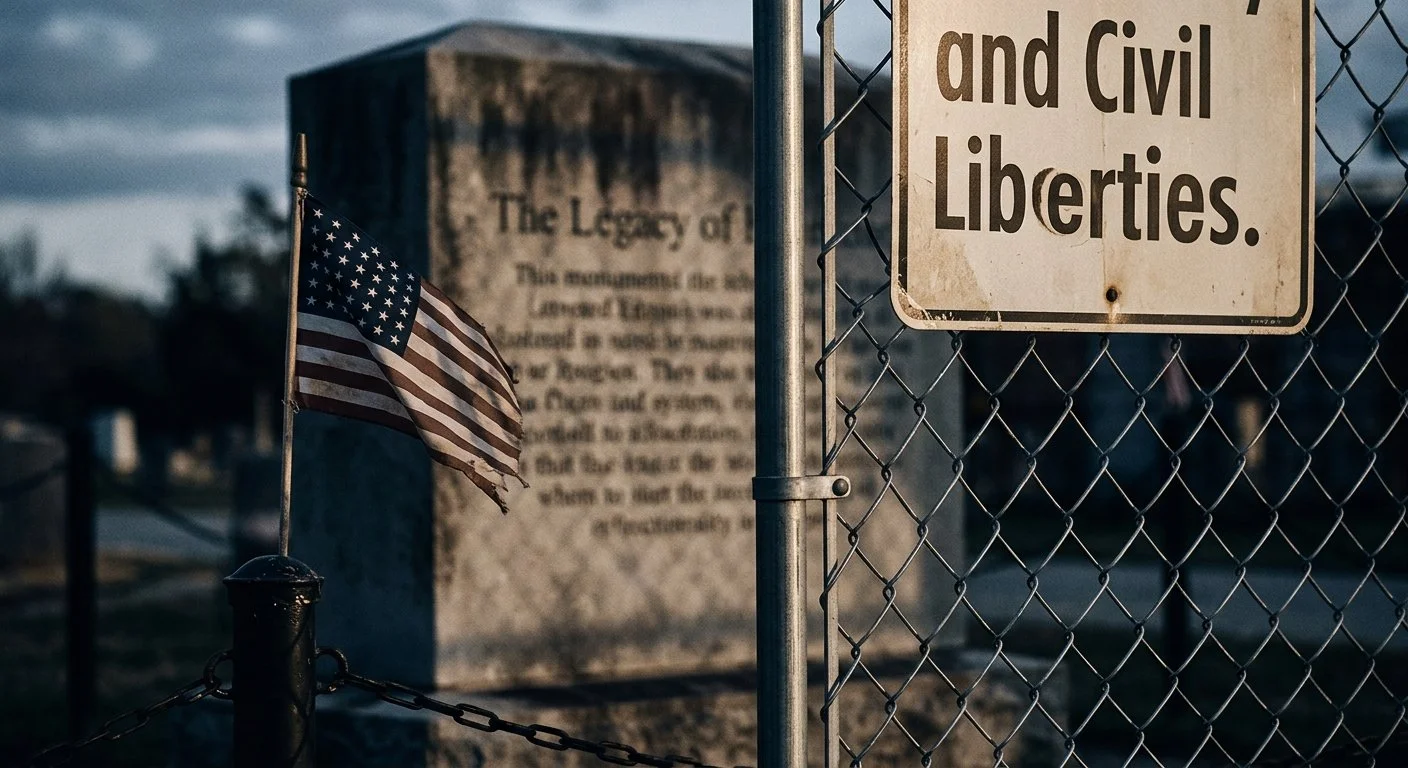
The post-9/11 era inaugurated a "forever war" that fundamentally reshaped American domestic policy, eroded democratic norms, and strained the boundaries of the First Amendment. Twenty-five years after the 2001 attacks, scholars, journalists, and legal experts are reflecting on how the government’s response to global threats created a lasting infrastructure of surveillance and executive power that persists today.
The Erosion of Rights and Legal Oversight
The symposium held at Columbia University, titled "The Forever War and the First Amendment," highlighted how the immediate aftermath of 9/11 led to a radical expansion of state power. This shift included the passage of the Patriot Act, the normalization of secret evidence, and the increased use of the Espionage Act to target journalists’ sources. Legal experts point to several critical failures in how these policies were allowed to persist:
• Executive Overreach: Policies such as "extraordinary rendition" and the use of torture in "black sites" represented a direct abandonment of the international human rights framework the U.S. helped establish after World War II.
• Judicial Abdication: A central takeaway from the discussion is that the courts have largely failed to check executive power, frequently dismissing challenges to national security policies on procedural grounds like "standing" or "political questions" rather than ruling on the merits.
• Domestic Repurposing: Authorities and surveillance tools originally justified by "foreign threats" are increasingly being turned inward, with contemporary administrations utilizing these tools to suppress domestic dissent and monitor protesters.
The Cost of Modern Warfare and Media Complicity
Investigative reporting has revealed a massive disconnect between official military narratives and the reality of civilian casualties on the ground. Research, such as the Pulitzer Prize-winning work by Azmat Khan, demonstrates that civilian deaths in conflicts like those in Iraq, Syria, and Afghanistan were significantly higher than reported by the military.
• Intelligence Failures: Many airstrikes are based on outdated intelligence or confirmation bias, leading to the lethal targeting of civilians. Once an individual is labeled a terrorist or an associate of a threat, they face an almost impossible burden of proof to demonstrate their innocence.
• Shift in Media Dynamics: In the early 2000s, many legacy media organizations became overly dependent on anonymous sources and unvetted intelligence from the government. This reliance often facilitated a climate that favored war, creating a "presumption of guilt" for those caught in the crosshairs of conflict.
• The Role of Independent Journalism: There is a recognized need for independent media outlets to continue probing these issues, as they often challenge the official narratives and provide the human context of the "forever war" that traditional newsrooms may overlook or fail to document.
The Ongoing Impact on Modern Governance
The institutions established after 9/11, such as the Department of Homeland Security, continue to influence law enforcement and civil rights in the present day. As discussed by the panel, the normalization of secrecy and the expansion of the "war on terror" framework have created a permanent state of exception. Whether through the targeting of student protesters or the continued lack of transparency regarding civilian harm, the policies birthed 25 years ago remain central to the current political landscape.
In summary, the legacy of 9/11 is characterized by a persistent tension between national security and the preservation of democratic freedoms. The failure of judicial and political institutions to curtail the excesses of the "forever war" has resulted in an environment where surveillance, secrecy, and the erosion of due process have become entrenched, necessitating continued vigilance and independent reporting to hold power accountable.
In Solidarity,
Gamy Enriquez, MPA