Dear Friends,
When we talk about the health of our democracy, we often focus on elections, voting rights, and constitutional norms. But there is a deeper, quieter foundation beneath it all: economic security.
When families are forced to choose between groceries and prescriptions, or when working adults see their hard work swallowed up by skyrocketing rents and unchecked corporate profiteering, the social contract begins to fray. Economic insecurity acts as a direct catalyst for political instability. It creates a vacuum of fear and vulnerability—a space that authoritarian movements historically exploit.
To defend democracy, we must defend the everyday dignity and affordability of human life.
Understanding Anti-Fascist Economics
In her insightful work, Anti-Fascist Economics: In Defense of Affordability, Dignity, and Democracy, economist Professor Isabella Weber offers a compelling framework for understanding our current political moment. She argues that modern economic crises are not unpredictable acts of nature or simple market fluctuations. Instead, they are explicit choice points—decisions about how power and resources are structured in our society.
For decades, dominant economic policies have prioritized market autonomy above human well-being, even during periods of extreme inflation and record corporate profits. This hands-off approach has left the public deeply vulnerable.
Weber contends that to safeguard our free society, the state must transition from a passive observer to an active provider of basic human security. Rather than allowing the market to dictate who thrives and who struggles, democratic government must establish clear economic boundaries:
Floors that ensure no citizen falls below a basic, dignified standard of living.
Ceilings that prevent the excessive concentration of wealth and power from subverting democratic institutions.
Reclaiming the Public Good: Beyond Unchecked Markets
Building a fair economy does not mean erasing enterprise; it means reclaiming the balance between private profit and the public good. Weber’s approach emphasizes sector-specific interventions where the market has failed to deliver affordable necessities:
Targeted Price Stabilization: Essential goods like food and energy should not be subject to speculation and price-gouging. By using strategic public reserves and policy guardrails—similar to Mexico's "basket model" for food security—governments can protect families from sudden cost-of-living shocks.
Municipal Alternatives: Local public initiatives can create healthy competition against consolidated monopolies. Public options, like municipal grocery stores, demonstrate that communities can work together to lower expenses and keep essential services accessible.
Strategic Public Control: Certain non-negotiable human needs—such as healthcare—should never be driven by corporate profit margins. Expanding robust public systems like Medicare for All ensures that life-sustaining care remains a guaranteed right under democratic oversight.
Breaking the Cycle of Insecurity and Scapegoating
There is a profound human element to economic stability. When hard-working individuals are continuously squeezed—spending the vast majority of their paychecks on basic survival—their sense of agency, hope, and future prospects diminish.
Extremist movements thrive on this anxiety. When people feel abandoned by the system, demagogues offer simple scapegoats, blaming vulnerable communities for systemic failures. They promise prosperity by division rather than unity.
Moreover, as we navigate the rapid rise of Artificial Intelligence and emerging technologies, this dynamic becomes even more critical. AI is quickly becoming an essential sector of our modern economy. Without democratic oversight and ethical guardrails, concentrated technological power risks deepening economic inequality even further.
A Vision for 2028 and Beyond: A Hopeful Path Forward
This diagnosis is precise, but the cure is well within our reach. We do not have to accept an economy defined by insecurity and division. We have the power to choose a different path—one grounded in solidarity, abundance, and shared prosperity.
This vision is precisely why I ran for Congress on a platform of universal economic rights, and it is why I am standing up to run again in 2028. Our movement is built on bold, unifying solutions that restore power to working people:
Universal Basic Income & Citizens’ Dividend: Ensuring every individual has an economic baseline, providing financial peace of mind and true freedom.
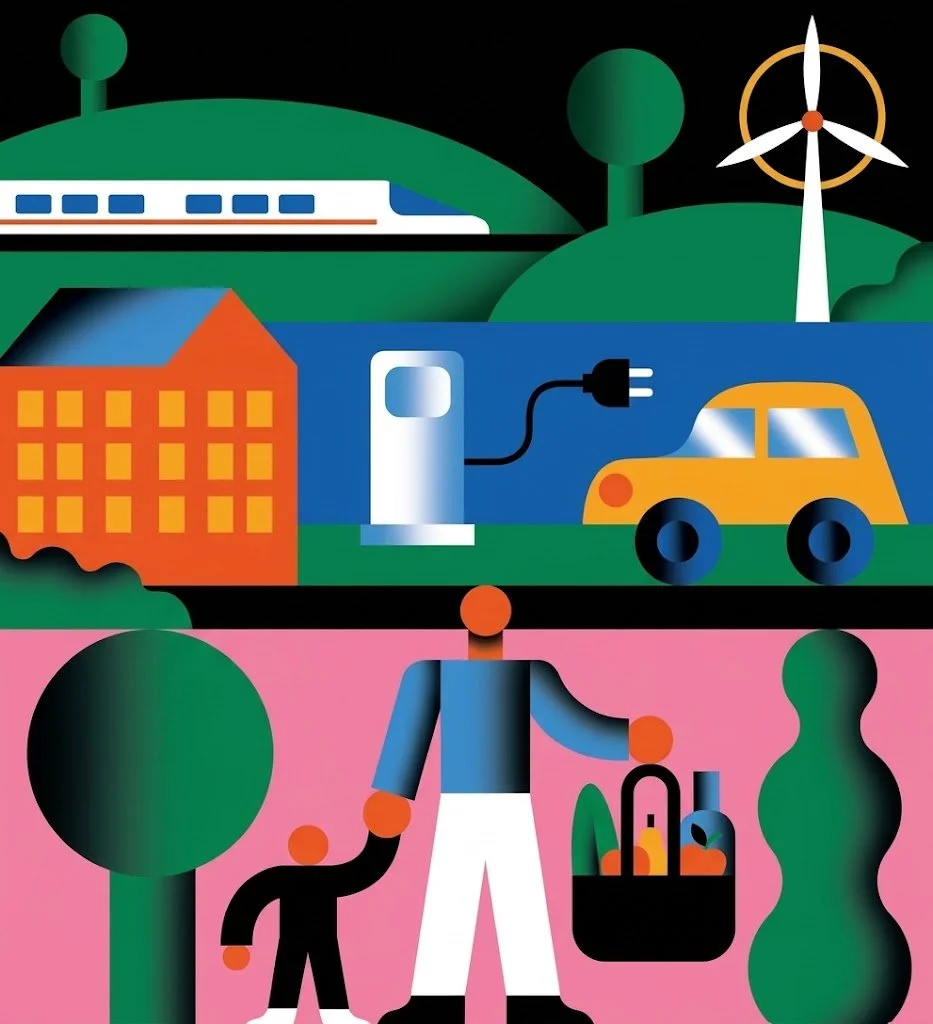
A Freedom Dividend Funded by a Green Marshall Plan: Reinvesting in clean, renewable energy infrastructure to create millions of sustainable jobs while ensuring major corporations pay their fair share.
This isn't just a policy platform—it is a promise that our future can be brighter than our past. When we guarantee basic dignity for all, we eliminate the fear that fuels division. We rebuild trust in our communities and strengthen the democratic foundation of our nation.
Change on this scale has always come from people coming together to demand a better way. We know what we deserve, and together, we have the strength, the vision, and the determination to build it.
Thank you for being part of this movement. Let us look to the future not with fear, but with the confidence that a more just, prosperous, and democratic world is ours to create.
In Solidarity,
Gamy Enriquez, MPA
2028 Congressional Candidate
Nevada’s Second Congressional District