Confessions of a Las Vegas Banker: Fraud, Survival, and the Cost of America’s Financial Crisis
Friends,
In 2007, I was in my mid-twenties and living in Las Vegas when I landed a job as a retail banker at Wells Fargo. At the time, it felt like the American Dream—a stable job at a respected institution during the city’s real estate boom. But behind the marble counters and corporate slogans was a culture where fraud wasn’t just tolerated—it was mandatory. If you didn’t play the game, you simply didn’t have a job. Watching the Netflix miniseries "The Wagon Wheel" is like seeing my life flash before my eyes: the pressure to hit quotas, the relentless push to open new accounts, the thinly veiled threats that kept us all in line.
From the start, I noticed practices that ranged from questionable to outright fraudulent. We were encouraged—sometimes ordered—to enroll customers in products they didn’t need or authorize, to fudge paperwork, and to prioritize numbers over ethics. In that environment, the only way to be a “star banker” was to toe the line. At first, I went along, rationalizing my actions as just part of the system. But as the economic crash loomed closer, it became impossible to ignore that our behavior—and the bank’s policies—were fueling the coming disaster.
I began to speak up, first quietly to colleagues and then directly to my manager. The response was swift: I went from being celebrated as a top performer to being ostracized. I was now “the black sheep,” the one who couldn’t be trusted because I wasn’t willing to look the other way. In mid-December 2008, with the financial meltdown at its peak, the branch called an emergency meeting on a Sunday. Tensions were high, and after it ended, I went out drinking with colleagues just to process the stress. That night, I was arrested for DUI—an incident that, ironically, gave my manager Sandra Velasquez the excuse she needed to fire me.
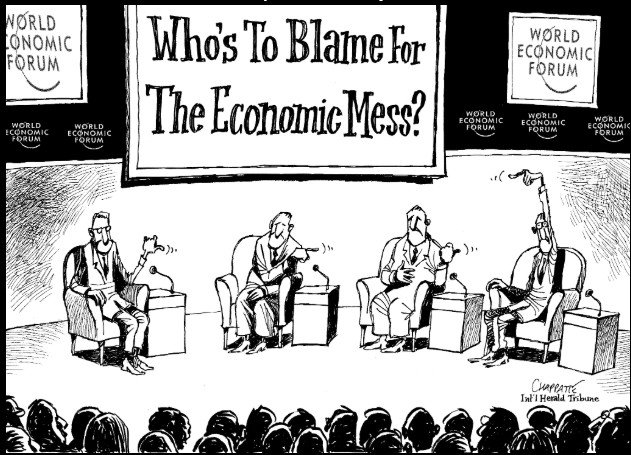
In early 2009, at the height of the most severe economic crash since the Great Depression, a new kind of hardship began. The severity of the crisis was everywhere: major Wall Street banks collapsed or merged overnight, iconic institutions like Lehman Brothers filed for bankruptcy, and the government scrambled to bail out failing giants like AIG and Fannie Mae. Lending ground to a halt, unemployment soared, and ordinary people lost homes, jobs, and savings. Without a car and burdened with legal fees I couldn’t pay, I spent months searching for work. Eventually, I found a job at a small financial services company—the only place that would hire me, given my record and circumstances. It didn’t take long to realize this was a boiler room operation, designed to deceive everyone: customers, employees, and even the authorities. Fraud was baked into the business model, and paranoia was everywhere. When rumors started circulating that the FBI was investigating, I left before the hammer could fall.
As the economy improved, and I went through multiple jobs in a fragile economic recovery, I eventually landed a job at Bank of America in 2012. But despite the bank’s size, the pay was a meager $30,000 a year—nowhere near enough to live on my own, let alone go back to finish my university degree. So, in early 2013, without any FBI action on the industry, I returned to the only business that seemed to offer a way up: the same boiler room, now hiring again through Craigslist. By then, I’d realized that nobody from Wall Street had gone to prison for causing the crash. As Matt Taibbi wrote in Rolling Stone, financial fraud had become “the new normal.” The Obama administration’s bailout of Wall Street, as pointed out by economists like Joseph Stiglitz and Elizabeth Warren, did little to help Main Street—and left predatory operations like my old employer’s room free to thrive.
So I resigned from Bank of America, drawn back to an industry where, on paper at least, I could earn more money—albeit at the risk of my conscience. It was a 100% commission job, and while the ethical compromises were real, so was the prospect of survival. After just a few months back in the boiler room business, the FBI raided the place with overwhelming force. Thus began my experience of being under supervision for nearly a decade. If the government had invested in everyday Americans rather than just the financial elite, these predatory operations would have withered rather than multiplied. But in post-crash America, financial fraud wasn’t just a scandal—it was the business model.
Looking back, I’m haunted by the choices I made, the pressures I faced, and the lessons I learned. The system didn’t just enable fraud; it demanded it. And until we fundamentally reform our economy to value ordinary people over profits, that cycle will never end.
The cycle of exploitation and punishment in our society is not limited to Wall Street or the financial sector. We’ve seen it play out in the fabricated war on drugs, where social safety net programs are gutted, unemployment rises in urban spaces, and the poor are locked up for selling drugs. These policies devastate communities and perpetuate cycles of poverty and incarceration.
This is why I ran for Congress in 2026, and why I will run again in 2028 I promise to do everything within my power vested in me by the US Constitution:
Ending the War on Drugs: Shifting away from punitive drug enforcement policies that historically targeted low-income and urban communities, moving instead toward public health approach or decriminalization.
Abolishing the Death Penalty: Eliminating capital punishment entirely as part of a broader transition away from extreme punitive measures.
Adopting Nordic-Style Humane Incarceration: Reorienting the prison system away from punishment and retribution toward rehabilitation, humane treatment, and successful reintegration, drawing inspiration from Scandinavian correctional models.
Reforming Post-Incarceration Reentry Practices ("Ban the Box"): Addressing employment barriers for individuals with criminal records so former offenders can secure stable employment without immediate discrimination on job applications.
Reparations: Implementing economic and social reparations to compensate communities disproportionately impacted by systemic poverty, predatory policies, and hyper-incarceration.
Economic and Financial Regulatory Reforms
Stricter Financial Regulations: Strengthening oversight over retail banking and financial institutions to eliminate predatory sales quotas, systemic fraud, and unregulated financial operations ("boiler rooms").
Expanding the Social Safety Net: Investing directly in everyday Americans and economic opportunities rather than financial elites or corporate bailouts, aiming to prevent individuals from being forced into predatory or illegal industries out of financial desperation.
Change will not be easy, but I am hopeful. We have the power to build a future where justice means healing, where opportunity is real for everyone, and where no one is forced to choose between survival and integrity. The fight continues—not just for me, but for all of us.
Gamy Enriquez, MPA