Friends,
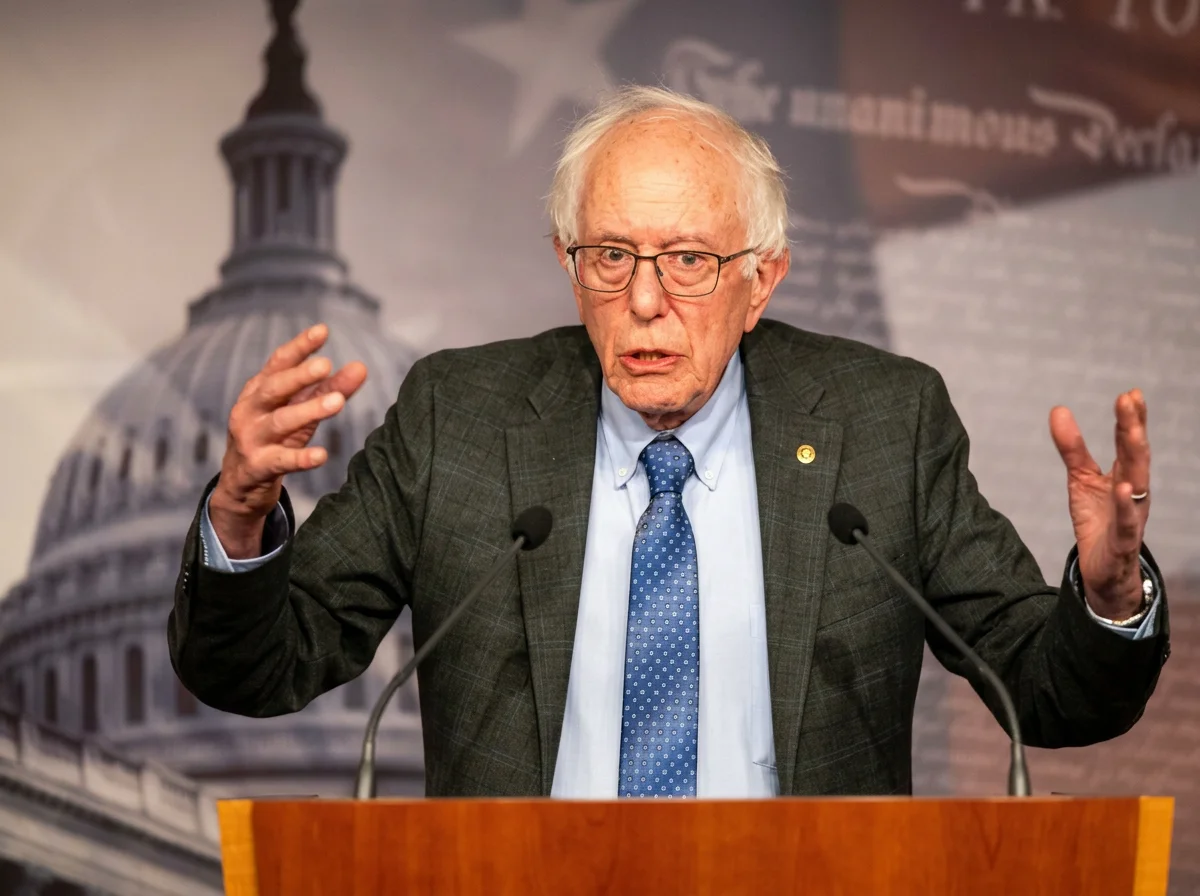
Editor's note: I personally support Bernie Sanders' vision of bold change and back Senator Chris Van Hollen's candidacy. I believe the party must respond with genuine progressive political change rather than continuing with the status quo.
Following their recent midterm success, the Democratic Party is facing an intense internal struggle over whether to retain current leadership or pivot toward a more populist, reform-oriented strategy. With control of Congress approaching in January, prominent figures are challenging the long-standing tenure of Senate leader Chuck Schumer and questioning the effectiveness of House leader Hakeem Jeffries. Critics argue that re-electing the same leadership would be a betrayal of the voters who supported a clear, anti-oligarch agenda.
The Push for Generational and Ideological Change
The call for new leadership stems from a desire to move the party in a "new and bold direction" that prioritizes the concerns of working-class voters. Key points of friction include:
Dissatisfaction with Status Quo: Senators like Bernie Sanders and Elissa Slotkin have publicly expressed that they will not support Chuck Schumer's re-election as leader without a concrete plan for significant change.
Leadership Reliability: Hakeem Jeffries faces scrutiny following a recent procedural failure where the absence of eleven Democrats effectively stalled an effort to impeach Defense Secretary Pete Hegseth, raising questions about his ability to manage the caucus.
Alternative Candidates: Maryland Senator Chris Van Hollen has emerged as a potential challenger to Schumer, emphasizing a need for more aggressive policies on issues like war funding and corporate accountability.
The Struggle Between Populism and Corporate Influence
The debate extends beyond personnel to the fundamental direction of the party's platform. There is a palpable tension between the populist wing, which gained momentum during the election, and corporate-friendly factions that traditionally emphasize incremental change.
Anti-Oligarch Mandate: Proponents of the populist wing, such as David Sirota, argue that the election was a referendum against corporate influence and systemic corruption.
Influence of Wealthy Donors: Concerns have been raised regarding billionaire-backed groups like "Majority Democrats," which aim to shape the party's agenda toward more moderate, corporate-friendly policies.
Delivery on Promises: Activists and some lawmakers are demanding that the party move past "treading water" and prioritize transformative legislative goals, such as expanded healthcare access and stronger antitrust measures, rather than compromising with the interests of the tech and finance sectors.
Where Does Northern Nevada Stand?
As a new Congress prepares to take office, this national divide between cautious, moderate politics and bold, populist change is playing out directly in our own backyard. While leaders like Bernie Sanders and Chris Van Hollen are fighting the status quo in Washington, Northern Nevada needs to know where incoming Representative Teresa Benitez-Thompson will stand on critical issues like Medicare for All, abolishing ICE, ending war with Iran, and stopping the genocide in Gaza.
I’m running to bring unapologetic progressive leadership to Congress—click the link in my bio to read my full breakdown and join the movement.
Summary
In essence, the Democratic Party stands at a crossroads as it prepares to assume control of Congress. The current discourse highlights a deep-seated demand for leadership that is more responsive to working-class needs and less beholden to wealthy donor interests. Whether the party chooses to double down on existing structures or embrace a more populist vision will likely define its political effectiveness leading into the 2028 presidential cycle.
In Solidarity,
Gamy Enriquez, MPA
2028 Congressional Candidate
Nevada’s Second Congressional District