Building Nevada’s Future: How Mass Timber Can Solve the Housing Crisis and Fight Climate Change
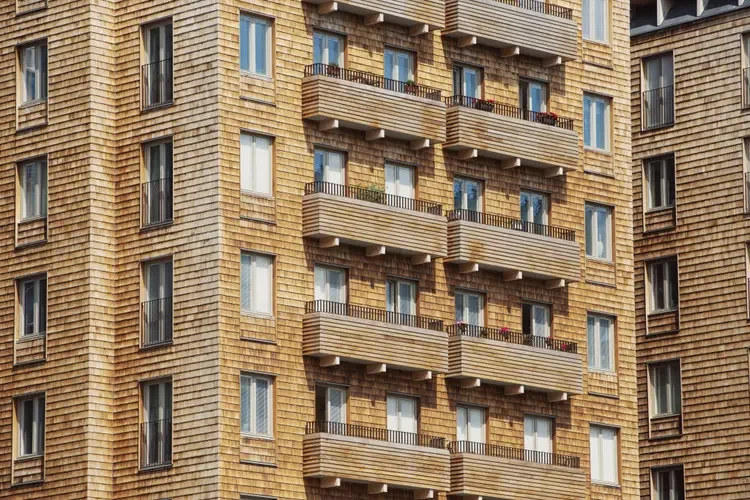
Sweden is moving away from emissions-heavy steel and concrete to renewable mass timber.Erika Gerdemark/Bloomberg—Getty Images
Friends,
Nevada stands at a critical juncture where our growing population meets the pressing need for sustainable and accessible housing. To address both the cost of living and environmental stewardship, we must look toward innovative construction methods. Mass timber, particularly cross-laminated timber, represents a transformative opportunity for Nevada’s Second Congressional District and is a foundational element of my Green Marshall Plan.
Across the globe and here in America, regions facing similar challenges have embraced mass timber as a solution to both housing shortages and climate change. In the Nordic countries—Sweden, Norway, and Finland—mass timber has revolutionized urban development, with cities like Stockholm and Helsinki now boasting entire districts built from engineered wood. These projects show how timber construction can deliver both architectural beauty and environmental responsibility. Meanwhile, in the United States, cities such as Portland, Oregon and Minneapolis, Minnesota have led the way, completing some of the tallest mass timber buildings in North America. Their success stories offer valuable lessons for Nevada as we consider the next steps in sustainable construction.
Imagine applying these global and national best practices right here in Nevada. Our state, with its available land and spirit of innovation, is uniquely positioned to become a leader in mass timber construction in the American West. By replacing traditional steel and concrete with engineered wood, we can construct resilient and tall buildings. In Stockholm’s Hagastaden district, for example, multi-story apartment complexes built with cross-laminated timber have reduced construction times by up to 30% compared to concrete. Similarly, in Norway, the Mjøstårnet building—currently the world’s tallest timber building—was completed months ahead of schedule, showcasing the speed and efficiency of this technology.
Here in the United States, the 25-story Ascent building in Milwaukee, Wisconsin, and the 12-story Carbon12 in Portland, Oregon, stand as testaments to what is possible. These buildings were not only completed faster but have also attracted national attention for their innovative use of sustainable materialns. Mass timber structures can be erected faster than conventional buildings, reducing labor costs and construction timelines, which is crucial for addressing the housing crisis.The efficiency doesn’t stop at construction speed. Mass timber buildings have also proven to be highly energy-efficient. Nordic countries have implemented advanced insulation techniques and design principles alongside mass timber, ensuring that these buildings remain comfortable year-round, even in harsh climates. Lessons from Finland’s Puukuokka housing block, for example, show that energy bills can be significantly reduced for residents, making these homes more affordable over the long term.Beyond speed, the environmental benefits are substantial. Wood acts as a carbon sink, locking away carbon dioxide for the lifespan of the building, directly countering greenhouse gas emissions. In Sweden, studies have shown that replacing concrete with mass timber in new buildings can cut carbon emissions by up to 50%. American cities are beginning to see similar results, with the University of Washington’s Founders Hall in Seattle using mass timber to reduce embodied carbon by nearly half. By following these examples, Nevada can make meaningful progress toward climate goals while providing quality housing.
As we look to the future, implementing mass timber in Nevada could mean not just building homes, but creating entire neighborhoods that are sustainable, affordable, and resilient. Imagine vibrant new districts in Reno or Carson City, designed with the latest techniques from Scandinavia and leading U.S. cities, offering residents lower utility bills and a healthier environment.To operationalize this in our district as part of my Green Marshall Plan, my office will study the cost-effectiveness of timber supply chains and manufacturing within the region We can look to the Nordic model, where governments have partnered with industry leaders to develop local supply chains and training programs for workers, ensuring both economic and environmental benefits are realized.. Furthermore, I am committed to working with lawmakers at the state and federal levels to secure tax credits and subsidies for developers investing in mass timber housing, creating an environment where sustainable building is financially attractive In Oregon, state-level incentives have helped jumpstart a thriving mass timber market—an approach we can replicate in Nevada..By drawing on the expertise of international and American pioneers, Nevada has the opportunity to set a new standard for housing in the West. Through collaboration with universities, local businesses, and government agencies, we can ensure our communities benefit from the latest advancements in green construction.By fostering collaboration between environmental scientists, architects, and policymakers, we can establish a framework for the future of housing in Nevada. Let’s learn from the successes of Stockholm, Helsinki, Portland, and beyond to create homes that are not just places to live, but models of sustainability for generations to come. I invite you to join me in exploring these innovative possibilities for our communities.
In Solidarity,
Gamy Enriquez, MPA