From PhDs to Pizza Deliveries: Why Universal Higher Education Is the Only Way Forward
Dear freinds and supporters,
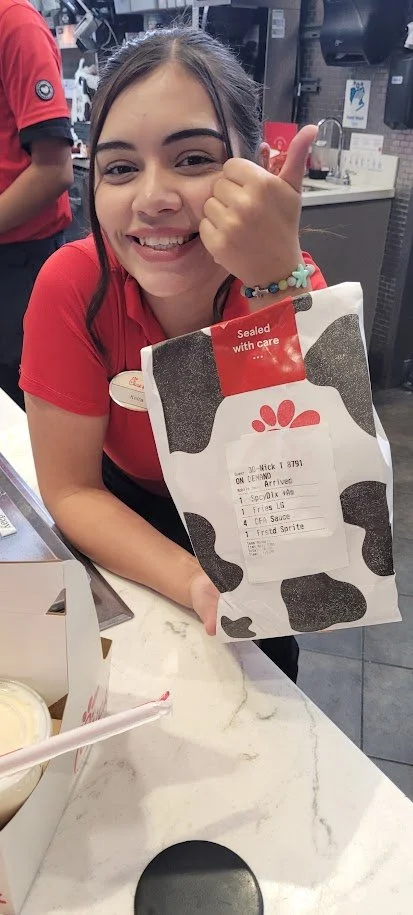
If you’ve ever waited for your DoorDash order, you might not realize that the driver juggling fries and sodas could hold a master’s degree. Welcome to the 21st-century gig economy—where advanced education meets minimum wage, and the American Dream is rerouted through the drive-thru window. This is not just my story; it’s the reality for millions of young Americans scrambling between side hustles and fast-food shifts, all while holding diplomas that were supposed to open doors. Instead, those doors are slammed shut by a system rigged to keep higher education out of reach for most, and meaningful work just beyond the horizon.
When a Master’s Degree Meets Minimum Wage
The contrast couldn’t be sharper. After years of study, late-night research sessions, and the promise of upward mobility, I find myself navigating city streets not as a scholar, but as a DoorDash driver. My experience is far from unique. A generation ago, a master’s or bachelor’s degree was a ticket to stability—a guarantee that hard work and learning would pay off. Today, it’s a gamble: will your degree lead to a career, or just more debt and gig work? The truth is, the system is broken, and it’s time to ask why.
A Broken Promise: The History We Forgot
It wasn’t always like this. In the 1960s and early 1970s, America was on the cusp of realizing universal higher education. State universities, especially in California, were nearly free, and the doors of opportunity were open to all. The social contract was clear: higher education for every willing student, paid for by the society that would benefit from their contributions.
But as campuses filled with protestors speaking out against the Vietnam War and demanding civil rights, the political winds shifted. Ronald Reagan, then governor of California, became alarmed at the unrest and pushed to end virtually free tuition in the state system. His rationale was simple: make students pay more, and they’ll protest less. The dream of universal access was abruptly stalled, and over the decades, tuition climbed, public funding plummeted, and student debt soared. Today, that vision is a distant memory, replaced by the harsh reality of $20,000-a-year tuition bills and a generation locked out of opportunity.
Sticker Shock: Local Tuition Costs Lock Out the Next Generation
Let’s bring it home. In our community, a year at the local state university now costs more than many families earn in a quarter. Tuition, fees, books, and living expenses add up fast. For those working in fast food or gig jobs, the math simply doesn’t work: how do you pay for college when you’re making $15 an hour and helping your family with rent? For too many, the answer is: you don’t. Higher education becomes a luxury for the few, not a right for all. That is not only a personal tragedy for each student left behind but a collective failure for our society.
A Green Marshall Plan: Funding Higher Education by Taxing Corporate Profits
The question, then, is how do we pay for the bold vision of universal higher education? The answer is hiding in plain sight: corporate America. The largest and most profitable companies in the world—many of whom rely on a highly educated workforce—pay less in taxes than at any time in modern history. It’s time to change that.
Imagine a Green Marshall Plan for America, funded by a modest tax on corporate profits, dedicated to making higher education truly universal and sustainable for the 21st century. Not only would this investment pay massive dividends in innovation, productivity, and civic engagement, but it would also accelerate our transition to a green economy. We could educate a new generation of climate scientists, engineers, and leaders—no matter their family income or zip code. The money is there. The will is what’s missing.
Stories from the Fast-Food Front Lines
I’ve spoken with dozens of young people in our community who spend their days flipping burgers and their nights dreaming of college. Each one is more than a statistic; they’re future teachers, nurses, engineers, and entrepreneurs. They are locked out not for lack of ambition, but because our system values corporate profits over public investment. Their stories matter, and they deserve to be heard.
Your Voice Matters—Share Your Story
If you, or someone you know, has struggled to afford college while working in fast food or the gig economy, I want to hear from you. Visit our campaign website, email me, and share your story. Together, we can build a movement to tear down the barriers to higher education and invest in a future where everyone has a shot—not just those born into privilege.
Universal higher education is not just a dream. It was almost a reality. Let’s finish what we started. Join us. Share your story. Demand a future where a degree leads to opportunity, not a DoorDash route.
Real, lasting change has always come from ordinary people demanding better. If we want to see a future where education is a right, not a privilege, we must come together and fight for it. The road ahead may be long, but every step we take—every story we share, every voice we raise—brings us closer to a more just and equitable society. The power to change the system is in our hands. Let’s make history, together.
Gamy Enriquez, MPA
---
Sources:
- The Campaign for Free College Tuition. (https://www.freecollegenow.org/history)
- The New York Times: "How College Went From Free to Unaffordable in California" (https://www.nytimes.com/2017/05/20/opinion/sunday/california-college-tuition.html)
- Center on Budget and Policy Priorities: "State Higher Education Funding Cuts Have Pushed Costs to Students, Worsened Inequality" (https://www.cbpp.org/research/state-budget-and-tax/state-higher-education-funding-cuts-have-pushed-costs-to-students)
- Institute for College Access & Success: "Student Debt and the Class of 2021" (https://ticas.org/interactive-map/)
- Brookings Institution: "A Green Marshall Plan for the United States" (https://www.brookings.edu/articles/a-green-marshall-plan-for-the-united-states/)