Building a More Equitable World: Lessons from Football for a Progressive Global Vision
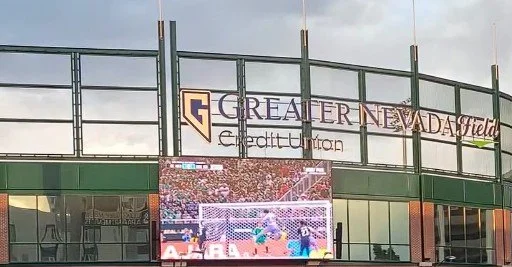
Watching World Cup 2026 at Aces Stadium Reno, Nevada
Dear Friends and Supporters,
We are now in the midst of the 2026 World Cup, with millions of fans worldwide watching as the beautiful game unites nations in real time. As someone who ran for Congress and as an international relations expert with over two decades of study and practice, I am compelled to reflect on what this global celebration teaches us about the kind of world we can build. The United States, at this pivotal moment, must embrace a bold, progressive vision for our role in the world—one rooted in fairness, respect, and true partnership. To illuminate this vision, I want to draw on a powerful metaphor explored in the acclaimed book “How Soccer Explains the World: An Unlikely Theory of Globalization” by Franklin Foer, published in 2004.
Foer’s book uses the world’s most popular sport—football (known as soccer in the US)—to explore how globalization shapes identities, communities, and power dynamics. But unlike the hyper-neoliberal vision of globalization that treats nations as mere markets or, conversely, isolationist retrenchment that builds walls and fosters suspicion, I envision a third path: a globalization that is more equitable, respectful, and mutually beneficial.
Football as a Mirror for International Relations
In “How Soccer Explains the World,” Foer describes how football clubs, leagues, and fans reflect both the best and worst of global integration. On one hand, the game brings together people from diverse backgrounds and cultures—players from Africa, South America, Europe, and Asia sharing the same pitch, fans across continents united in their passion, and local traditions blending with global influences. On the other, it exposes inequalities, corruption, and the ways powerful interests can exploit the sport for profit or politics.
Foer’s core insight is that football, at its best, creates space for pluralism, respect, and shared joy, but it is not immune to the distortions of unchecked power and greed. This duality is not just about sports; it’s a direct reflection of the choices we face as a nation in our global relationships.
Rejecting Hyper-Neoliberalism and Isolationism
Too often, US foreign policy swings between two extremes. Hyper-neoliberal globalization sees the world as a set of markets to be dominated, with little regard for justice, equity, or the dignity of other nations. This mindset leads to exploitative trade deals, environmental degradation, and resentment abroad. On the other hand, isolationism—retreating from global engagement—means abandoning our values and responsibilities, leaving a vacuum for authoritarian forces and undermining our own security and prosperity.
But just as football offers a model for respectful competition and cooperation, we can choose a path that honors our interconnectedness while insisting on fairness. We can pursue policies that lift up workers and communities at home and abroad, protect the environment, and foster genuine cultural exchange. We can be a partner, not a boss—or a bystander.
A Progressive Vision for Equitable Globalization
My vision for Nevada and the nation is inspired by the lessons of the pitch:
Mutual Respect: Like teammates who succeed by trusting one another’s strengths, the US should work with other countries as equals, not treat them as junior partners. This means listening, learning, and acting with humility on the world stage.
Fair Play: We must demand and model just rules—whether in trade, climate agreements, or human rights—so that globalization becomes a force for lifting people up, not driving them down. As in football, the game is only beautiful when the rules are fair and enforced.
Solidarity Across Borders: The global challenges we face—pandemics, climate crisis, technological disruption—require coordinated action. We should lead efforts for fair vaccine distribution, climate justice, and digital rights, building coalitions for positive change instead of zero-sum competition.
Celebrating Diversity: Football thrives on diversity—of tactics, players, and cultures. Our approach to the world should be no different. We gain strength by welcoming immigrants, learning from other nations, and protecting cultural heritage worldwide.
A Call to Action
We stand at a crossroads. The lessons of football remind us that the world is interconnected, and that how we choose to engage—whether through exploitation, withdrawal, or genuine partnership—will shape our future. As someone who ran to represent you, I have fought for a new approach to globalization: one that is just, inclusive, and sustainable, reflecting the values we hold dear in Nevada and across America.
Let’s build a world where, like on the football field, everyone has a fair shot to play and win together.
Onward,
Gamy Enriquez, MPA
Former Independent Democratic Candidate
Former Candidate, Nevada’s Second Congressional District